

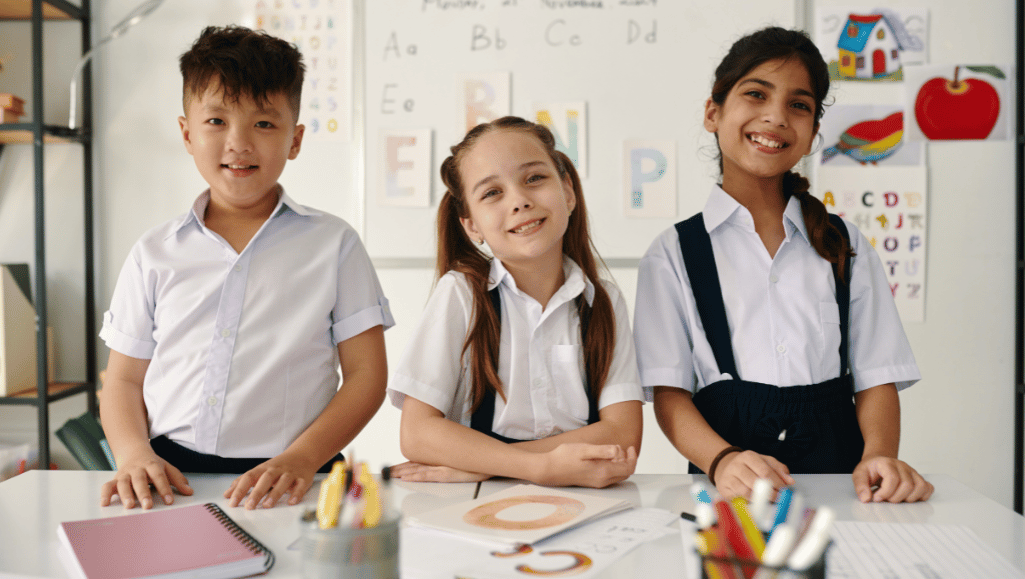
What is grade school? Grade school is the essential first stage of a child’s formal education, serving as the bridge between early childhood learning and more advanced academic study. It typically spans kindergarten through fifth or sixth grade and is designed to provide children with a structured environment in which they can develop both intellectually and socially.
In grade school, students are introduced to fundamental subjects such as reading, writing, mathematics, science, and social studies, while also engaging in creative pursuits like art, music, and drama, as well as physical education to promote health and coordination.
| Aspect | Details |
| What is Grade School? | Grade school is the first stage of formal education, usually covering kindergarten through 5th or 6th grade, providing structured learning and social development. |
| Purpose | Builds academic foundation, social skills, emotional growth, physical health, and cultural awareness. |
| Core Subjects | Reading & writing, mathematics, science, social studies, art & music, and physical education. |
| Structure | Early Elementary (Grades 1–2): basics of literacy & numeracy; Middle Elementary (Grades 3–4): more complex concepts, teamwork; Upper Elementary (Grades 5–6): critical thinking, leadership, prep for middle school. |
| Extracurricular Activities | Sports, music, drama, STEM projects, art exhibitions, debate, and community service. |
| Importance | Prepares students for higher education, personal growth, confidence building, and lifelong cognitive and social development. |
| Challenges | Learning gaps, classroom management, resource limitations, social pressures like bullying, and peer pressure. |
| Parental Support | Reading together, helping with homework, encouraging activities, communication with teachers, fostering routines, and time management. |
What is Grade School?

What is grade school? Grade school is the foundational stage of formal education, typically encompassing the first several years of a child’s academic journey, usually from kindergarten through fifth or sixth grade, depending on the education system. It is designed to introduce children to structured learning, social interaction, and essential life skills in a supportive environment.
During grade school, students develop core academic abilities such as reading, writing, mathematics, science, and social studies, while also exploring creative and physical activities like art, music, and physical education. Beyond academics, grade school plays a critical role in shaping a child’s personal and social development, teaching responsibility, teamwork, problem-solving, and effective communication.
It provides a safe and structured setting where children can explore new ideas, build confidence, and cultivate curiosity, laying the groundwork for future educational success. In essence, what is grade school? It is not merely the early years of learning but a crucial period where children acquire the skills, knowledge, and values that form the foundation for lifelong growth and achievement.
Purpose of Grade School
Grade school plays a crucial role in preparing children for higher education and personal development. Its purposes include:
- Academic Foundation: Introduces students to basic literacy, numeracy, and scientific concepts.
- Social Skills Development: Encourages teamwork, communication, and interpersonal skills through classroom interactions and group activities.
- Emotional Growth: Helps children develop self-confidence, empathy, and resilience.
- Physical Development: Promotes physical health and coordination through physical education and recreational activities.
- Cultural Awareness: Introduces students to cultural, historical, and community-based learning experiences.
Typical Structure of Grade School
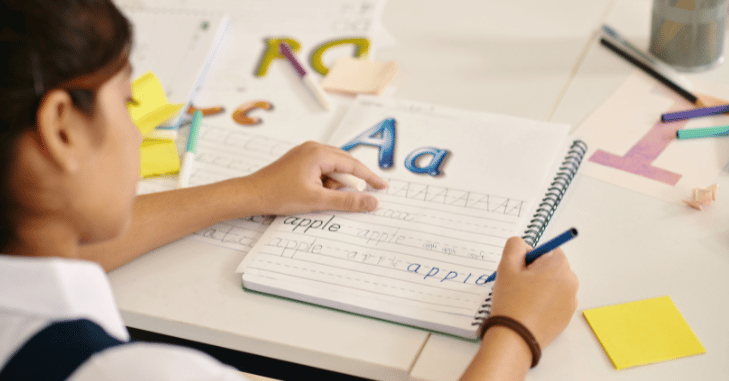
Grade school is organized progressively to support developmental growth. The structure usually includes:
1. Early Elementary (Grades 1–2)
- Focuses on foundational skills in reading, writing, and mathematics.
- Introducing basic science and social studies concepts.
- Emphasizes learning through play and creative activities.
2. Middle Elementary (Grades 3–4)
- Expands literacy with comprehension, vocabulary, and writing skills.
- Introduces more complex math concepts like multiplication, division, and fractions.
- Encourages group projects and collaborative learning.
3. Upper Elementary (Grades 5–6)
- Prepares students for middle school with advanced subjects in math, science, and social studies.
- Encourages critical thinking, problem-solving, and research skills.
- Provides opportunities for leadership roles and responsibility through student councils or clubs.
Core Subjects in Grade School
Grade school typically covers a broad range of subjects aimed at developing well-rounded individuals. Literacy is emphasized through reading and writing, including phonics, reading comprehension, and creative writing exercises that build strong communication skills.
Mathematics education introduces students to basic arithmetic, problem-solving techniques, and even foundational concepts in geometry, fostering logical thinking and analytical abilities. Science lessons provide a basic understanding of biology, physics, chemistry, and environmental awareness, encouraging curiosity about the natural world.
Social studies teach students about history, geography, civics, and diverse cultures, helping them understand society and their role within it. Art and music programs nurture creativity through visual arts, music, and performing arts, offering students avenues for self-expression. Physical education rounds out the curriculum by promoting fitness, coordination, teamwork, and healthy lifestyle habits, ensuring students develop both mentally and physically.
Extracurricular Activities in Grade School
Extracurricular activities supplement academic learning and promote holistic development. Common activities include:
- Sports teams and competitions
- Music, dance, and drama clubs
- Science fairs and STEM projects
- Art exhibitions and craft workshops
- Debate and public speaking clubs
- Community service and volunteer programs
Importance of Grade School

| Importance | Details |
| Academic Readiness | Prepares students for middle school, high school, and higher education. |
| Personal Development | Teaches responsibility, time management, and social interaction. |
| Confidence Building | Provides a safe environment to explore new ideas and skills. |
| Long-Term Benefits | Early learning experiences influence lifelong cognitive, social, and emotional development. |
Challenges in Grade School Education
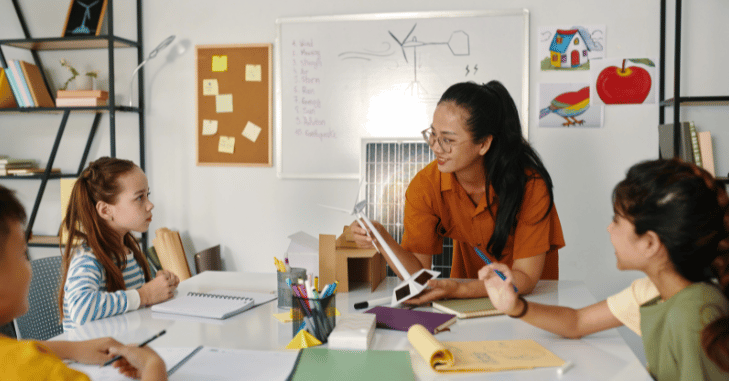
Despite its fundamental role in shaping a child’s academic and personal growth, grade school education faces several challenges that can affect the overall learning experience. One major issue is learning gaps, where differences in prior knowledge, comprehension, or learning pace among students can create disparities in performance and understanding.
Classroom management also poses a challenge, as teachers must balance the diverse needs of students, addressing behavioral issues while ensuring that each child receives adequate attention and support. Additionally, many schools encounter resource limitations, including shortages of educational materials, technological tools, and qualified staff, which can hinder effective teaching and learning.
Beyond academics, social pressures such as bullying, peer influence, and social anxiety can significantly impact a student’s emotional well-being, making it essential for schools to provide a supportive and inclusive environment that promotes both personal and academic development.
How Parents Can Support Grade School Learning?
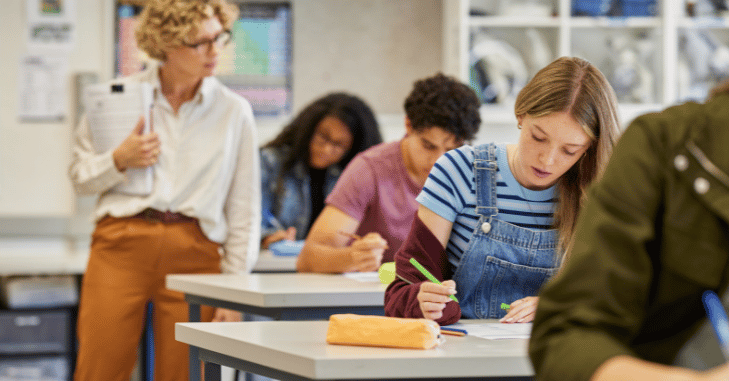
Parental involvement is crucial for a child’s success in grade school. Effective ways to support children include:
- Reading with children regularly to improve literacy.
- Helping with homework and reinforcing classroom learning.
- Encouraging participation in extracurricular activities.
- Communicating with teachers about progress and challenges.
- Fostering positive habits like time management, organization, and healthy routines.
Conclusion
In conclusion, what is grade school? Grade school is far more than the initial years of formal education; it is the cornerstone of a child’s intellectual, social, and emotional development. By combining academic instruction with creative exploration, physical activity, and social learning, grade school equips children with the essential skills, habits, and confidence needed to navigate future educational stages and life challenges.
It lays the groundwork for critical thinking, problem-solving, teamwork, and personal responsibility, while fostering curiosity, self-expression, and resilience. Despite challenges such as learning gaps, limited resources, and social pressures, the structured and supportive environment of grade school remains pivotal in shaping well-rounded, capable, and confident individuals.
Want to know about What Are Context Clues? A Complete Guide to Understanding, Using, and Mastering Context Clues for Better Reading and Vocabulary Check out our Education category.
FAQs
Grade school is the first stage of formal education, typically from kindergarten through fifth or sixth grade, where children develop academic, social, and personal skills.
Core subjects include reading, writing, mathematics, science, social studies, art, music, and physical education.
It builds foundational academic skills, fosters social and emotional development, and prepares children for higher education and lifelong learning.
Typically, children aged 5 to 12 years attend grade school, covering early to upper elementary grades.
Common activities include sports, music, drama, STEM projects, art exhibitions, debate clubs, and community service.
Parents can help by reading with children, assisting with homework, encouraging activities, communicating with teachers, and fostering routines and positive habits.