

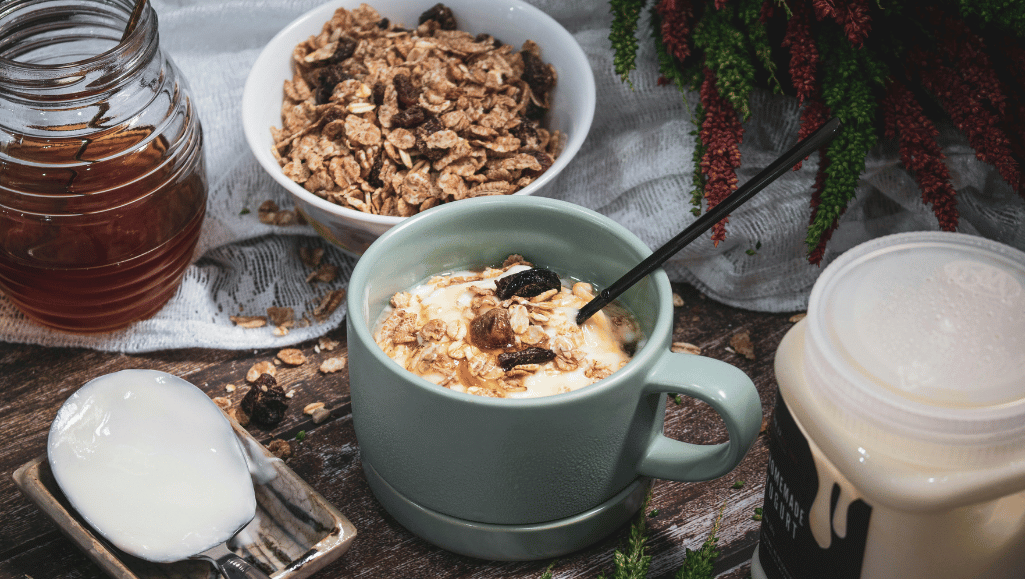
Most popular cereals have become an integral part of modern diets due to their convenience, versatility, and wide-ranging appeal across all age groups. From classic corn flakes to nutrient-dense oats, bran, and multigrain varieties, these cereals cater to diverse tastes and nutritional needs. Corn-based cereals are prized for their light, crispy texture and mild flavor, making them easy to pair with fruits, milk, or yogurt.
Oat-based options are celebrated for their cholesterol-lowering soluble fiber and slow-release energy, making them a favorite among health-conscious adults and fitness enthusiasts. Bran and whole-grain cereals provide substantial dietary fiber, aiding digestion, stabilizing blood sugar, and supporting heart health.
| Aspect | Details |
| Most Popular Cereals | Cereals are grain-based products consumed for breakfast or snacks, ranging from corn flakes to oats, bran, multigrain, and dessert-style cereals. |
| Origins | Developed in the late 19th century as health foods to improve digestion, they evolved into sweetened, flavored, and fortified mainstream breakfast staples. |
| Main Categories | Ready-to-Eat: Convenient, no cooking needed. Hot Cereals: Cooked like oats or porridge; filling and heart-healthy. Whole-Grain Cereals: High in fiber, nutrient-rich. Sweetened/Flavored: Chocolate, honey, or fruit; appeals to children. |
| Most Popular Varieties | Corn-Based: Light, crispy, easy to pair. Oat-Based: Heart-healthy, slow-release energy. Bran: High fiber, digestive support. Multigrain: Balanced nutrients, moderate sweetness. Chocolate/Dessert-Style: Taste-focused, occasional treat. |
| Nutritional Highlights | Rich in carbohydrates for energy; fortified with vitamins and minerals (iron, B-complex, folic acid); fiber content varies; sugar and sodium levels differ. |
| Health Benefits | Digestive support, sustained energy, weight management, heart health, improved metabolism, enhanced satiety when paired with protein (milk, yogurt, nuts). |
| Lifestyle Suitability | Vegetarian, vegan, gluten-free, fitness-focused diets; suitable for busy individuals, families, and health-conscious consumers. |
| Modern Trends | Clean-label ingredients, reduced sugar, higher protein, natural and organic formulations, functional cereals with probiotics or antioxidants. |
| Choosing the Right Cereal | Consider dietary goals: high-fiber for digestion, protein-enriched for active lifestyles, low-sugar for daily consumption. Read nutrition labels for informed choices. |
| Advantages | Quick and convenient, long shelf life, wide variety, customizable, suitable for all age groups. |
| Potential Drawbacks | Some have high sugar, low fiber, and overconsumption may impact health goals. |
Most Popular Cereals
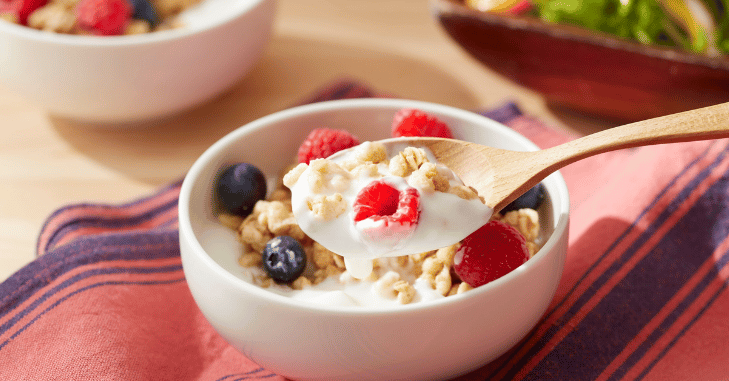
Most popular cereals have earned their widespread appeal through a combination of taste, convenience, and nutritional value, making them a staple in households worldwide. These cereals span a wide range of types, from corn-based flakes and oat-based cereals to bran, multigrain, and even dessert-style options.
Corn-based cereals are light, crispy, and versatile, often paired with milk or fruits, while oat-based cereals are celebrated for their heart-healthy soluble fiber and ability to support sustained energy levels. Bran and whole-grain cereals provide high fiber content that promotes digestive health and helps maintain long-term wellness, appealing particularly to adults and health-conscious consumers.
Multigrain cereals combine the benefits of several grains, offering a balanced nutritional profile, while chocolate or sweetened cereals cater to younger audiences seeking flavor and indulgence. Modern trends, such as protein enrichment, reduced sugar content, and natural or organic ingredients, also influence the popularity of these cereals, aligning with consumers’ growing focus on health and wellness. There is more on this in Jasmine Tea Explained.
What Defines a “Popular” Cereal?
- Taste: Often the primary factor influencing popularity, especially among children.
- Nutritional Value: Adults prioritize cereals that offer fiber, vitamins, minerals, and other health benefits.
- Brand Recognition: Well-known brands attract trust and loyalty from consumers.
- Affordability: Price plays a key role in determining consumer choice, particularly for families.
- Availability: Widespread distribution in stores and online increases accessibility and popularity.
- Marketing and Packaging: Advertising campaigns, colorful packaging, and promotions influence buying decisions.
- Adaptation to Health Trends: Cereals with reduced sugar, higher protein, or added nutrients align with modern wellness trends and maintain long-term appeal.
- Versatility: The Ability to pair with milk, yogurt, or fruit can enhance appeal and convenience.
Historical Evolution of Breakfast Cereals

The origins of breakfast cereals date back to the late 19th century, when they were initially developed as health foods aimed at promoting better digestion and overall wellness. Pioneers in cereal manufacturing, such as John Harvey Kellogg and C.W. Post, focused on creating plain, grain-based products that were easy to digest and nutritious.
These early cereals were typically bland and unflavored, designed primarily for their health benefits rather than taste. As consumer preferences evolved, manufacturers began experimenting with sweetened and flavored versions to make cereals more appealing to children and families.
They also introduced fortified cereals enriched with essential vitamins and minerals, such as iron, B-complex vitamins, and folic acid, to address nutritional deficiencies. Over time, breakfast cereals transformed from a niche health-oriented product into a mainstream and culturally significant breakfast staple, available in a wide variety of flavors, textures, and forms that cater to different age groups, lifestyles, and dietary needs.
Main Categories of Popular Cereals
| Cereal Type | Description | Key Benefits | Best For |
| Ready-to-Eat Cereals | Fully processed cereals that require no cooking and can be eaten directly with milk or yogurt. | Convenient, long shelf life, wide variety of flavors. | Busy individuals, families, and quick breakfasts. |
| Hot Cereals | Cereals that require cooking, such as oats and porridge-style grains. | Filling, comforting, often minimally processed, and heart-healthy. | People seeking warm, nutritious, and wholesome meals. |
| Whole-Grain Cereals | Cereals are made from grains that retain all parts of the grain (bran, germ, and endosperm). | High in fiber, supports digestion, and provides essential nutrients. | Health-conscious consumers and long-term wellness. |
| Sweetened & Flavored Cereals | Cereals with added sugars, chocolate, honey, or fruit flavors. | Appealing taste, enjoyable eating experience. | Children and occasional consumption as a treat. |
Most Popular Cereals Around the World
Corn-Based Cereals
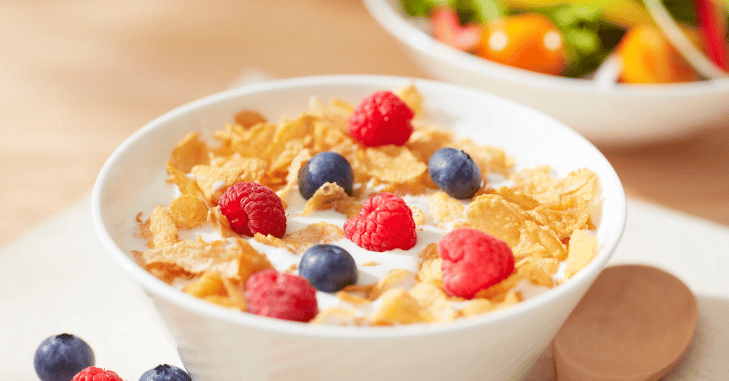
Corn-based cereals are among the most recognized and widely consumed cereals globally. Their light texture and mild flavor make them versatile and suitable for pairing with fruits or sweeteners. They are easy to digest and often fortified with essential vitamins and minerals, making them a convenient option for quick energy.
Oat-Based Cereals
Oat cereals are highly regarded for their nutritional benefits, including soluble fiber that supports heart health. They are popular among fitness enthusiasts and individuals managing cholesterol levels. Oats provide long-lasting energy by slowing digestion, helping to keep you full for longer periods.
Bran Cereals
Bran cereals are known for their high fiber content and digestive benefits. They are commonly chosen by adults seeking gut health support and improved digestion.
Regular consumption may help regulate bowel movements and support overall intestinal health.
Multigrain Cereals
Multigrain cereals combine multiple grains to deliver a balanced nutritional profile. Their complex texture and moderate sweetness appeal to families and health-conscious consumers. By blending grains like wheat, oats, barley, and rice, these cereals offer a wider range of nutrients.
Chocolate and Dessert-Style Cereals
Chocolate-flavored cereals remain extremely popular, particularly among younger consumers. These cereals prioritize taste and enjoyment, often serving as an occasional treat rather than a daily staple. They provide quick energy and a satisfying flavor experience, but typically contain higher sugar levels.
Nutritional Composition of Popular Cereals

- Cereals are primarily rich in carbohydrates, making them an excellent source of quick and sustained energy.
- Many breakfast cereals are fortified with essential vitamins and minerals, including iron, B-complex vitamins, and folic acid.
- Fiber levels vary by type, with whole-grain and bran cereals providing the highest fiber content for digestive health.
- Some cereals contain significant amounts of added sugar, which can impact overall health if consumed excessively.
- Sodium content also differs between products and should be monitored, especially for heart health.
- Health-conscious consumers often choose cereals with low added sugars and high fiber to support balanced nutrition and long-term wellness.
Role of Cereals in a Balanced Diet
When chosen wisely, cereals can play a valuable role in a balanced and nutritious diet. Whole-grain cereals, in particular, are rich in dietary fiber, which supports healthy digestion, promotes a feeling of fullness, and helps maintain steady energy levels throughout the day.
Their complex carbohydrates release energy slowly, making them beneficial for weight management and long-term metabolic health. Pairing cereals with protein-rich foods such as milk, yogurt, nuts, or seeds further enhances their nutritional value by improving satiety, stabilizing blood sugar levels, and supporting muscle health.
However, portion control remains essential for maximizing benefits. Overconsumption, especially of highly sweetened or refined cereals, can lead to excessive calorie and sugar intake, potentially disrupting overall dietary balance.
Cereals and Lifestyle Choices
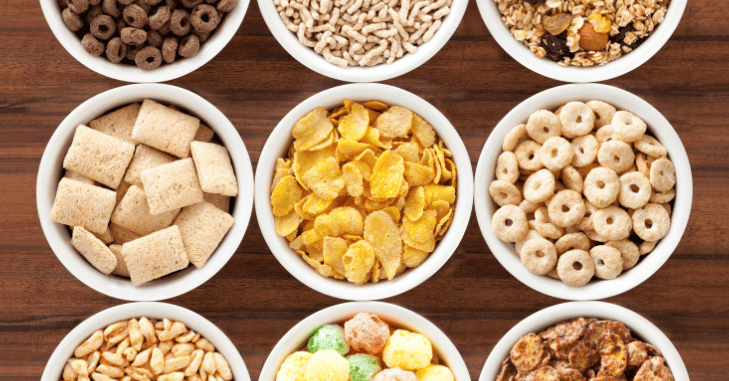
Cereals cater to a wide range of lifestyles, making them a convenient and adaptable food choice for many individuals. They are available in options suitable for vegetarian and vegan diets, as well as gluten-free varieties designed for people with gluten intolerance or celiac disease.
In addition, fitness-focused cereals often emphasize high protein, whole grains, and reduced sugar to support active lifestyles and performance goals. Modern cereal formulations continue to evolve to meet dietary restrictions and personal preferences.
Health Trends Influencing Cereal Popularity
- Growing consumer demand for clean-label cereals has led to simpler ingredient lists with fewer artificial colors, flavors, and preservatives.
- Reduced sugar formulations are becoming more common as brands respond to health concerns related to excess sugar intake.
- Many modern cereals now feature higher protein content, often sourced from plant-based proteins, to support satiety and muscle health.
- The use of natural ingredients such as whole grains, nuts, seeds, and natural sweeteners is increasingly prioritized.
- Organic cereals are gaining traction among consumers seeking non-GMO and pesticide-free food options.
- Plant-based cereal formulations align with vegan and environmentally conscious lifestyles.
- Functional cereals enriched with probiotics, antioxidants, fiber, or added vitamins and minerals are rising in popularity as consumers focus on digestive health, immunity, and overall wellness.
Choosing the Right Cereal
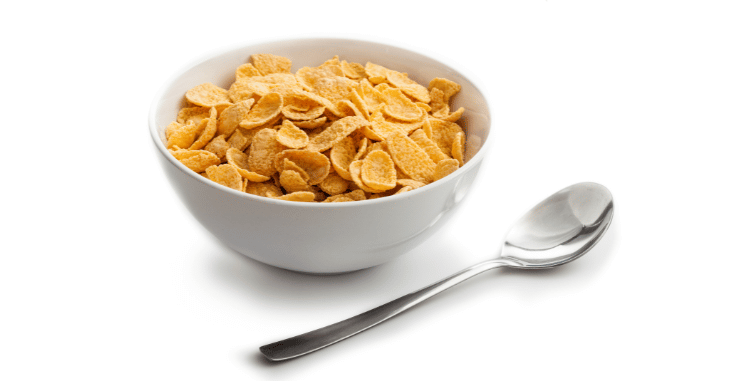
Selecting the right cereal depends largely on individual health goals, lifestyle, and dietary requirements. For those focused on digestive health and long-lasting fullness, high-fiber cereals made from whole grains or bran are especially beneficial, as they support gut function and help regulate blood sugar levels.
Individuals with active or fitness-oriented lifestyles may prefer protein-enriched cereals, which contribute to muscle recovery and sustained energy throughout the day. Low-sugar cereals are generally the best option for everyday consumption, helping to reduce unnecessary calorie intake and minimize blood sugar spikes.
Advantages of Breakfast Cereals
- Quick and convenient meal option
- Long shelf life and easy storage
- Wide variety of flavors and textures
- Suitable for all age groups
- Easily customizable with fruits and toppings
Potential Drawbacks to Consider

- Some cereals contain high amounts of added sugar
- Low-fiber cereals may lack nutritional value
- Overeating sweetened cereals can affect health goals
Conclusion
In conclusion, the most popular cereals have cemented their place as a versatile and convenient staple in modern diets, appealing to consumers of all ages and lifestyles. Their wide variety, from light and crispy corn flakes to nutrient-rich oats, fiber-packed bran, multigrain blends, and indulgent chocolate options, ensures that there is a cereal to suit almost every taste and dietary requirement.
Beyond taste and convenience, many cereals provide valuable nutritional benefits, including energy-sustaining carbohydrates, dietary fiber, essential vitamins, and minerals, particularly when paired with protein-rich foods like milk, yogurt, or nuts. The ongoing evolution of cereals is influenced by health trends such as reduced sugar, higher protein, organic ingredients, and functional additives.
If you want to read an interesting article about it, explore our Daily Bites category.
FAQs
Taste, convenience, nutrition, brand recognition, and affordability all contribute to the popularity of cereal.
Yes, especially whole-grain and low-sugar cereals consumed in appropriate portions.
Whole-grain, high-fiber, and low-sugar cereals are considered the healthiest options.
Cereals can serve as a light meal when combined with protein and fruits, but should not replace balanced meals regularly.
Yes, when fortified and lower in sugar, cereals can support children’s nutritional needs.
High-fiber cereals, particularly bran and whole-grain varieties, support healthy digestion.