


Low Heart Rate High Blood Pressure is a complex clinical presentation that can be confusing for many individuals because it involves two conditions that appear contradictory. A low heart rate, known as bradycardia, may be harmless in some people, especially well-trained athletes, but can signal underlying health issues in others.
When it occurs alongside high blood pressure (hypertension), it requires careful understanding and management. The interaction between heart rate and blood pressure is regulated by the autonomic nervous system, and disruptions in this balance can lead to significant health risks.
Understanding the causes, symptoms, medications, lifestyle influences, and long-term implications of Low Heart Rate High Blood Pressure is essential for effective prevention, timely treatment, and improved overall cardiovascular health.
| Aspect | Description |
| Low Heart Rate High Blood Pressure | Bradycardia: resting heart rate < 60 bpm; Hypertension: blood pressure ≥ 130/80 mmHg |
| Key Mechanism | Autonomic nervous system imbalance affecting heart rate and vascular resistance |
| Common Causes | Autonomic dysfunction, hypothyroidism, sleep apnea, heart block, sick sinus syndrome, electrolyte imbalances |
| Medication Factors | Beta-blockers, calcium channel blockers, digoxin, diuretics, and some psychotropic drugs |
| Role of Fitness | Athletes may have benign bradycardia; a sedentary lifestyle increases hypertension risk. |
| Exercise Effects | Improves heart efficiency, lowers blood pressure, supports healthy heart rate regulation |
| Symptoms of Bradycardia | Fatigue, weakness, dizziness, lightheadedness, fainting |
| Symptoms of Hypertension | Headaches, shortness of breath, and vision problems, often asymptomatic. |
| Long-Term Risks | Heart disease, coronary artery disease, heart failure, increased stroke risk |
| Management Strategies | Regular monitoring, lifestyle modifications, medication compliance, and medical supervision |
| Lifestyle Changes | Heart-healthy diet, regular physical activity, stress management |
| Patient Education | Awareness and knowledge empower proactive health management. |
Low Heart Rate High Blood Pressure
Bradycardia is defined as a resting heart rate of fewer than 60 beats per minute (bpm), which can be harmless in well-trained athletes but may indicate a problem in others. On the other hand, hypertension is characterized by consistently elevated blood pressure, with a typical threshold being readings of 130/80 mmHg or higher.
The relationship between heart rate and blood pressure is essential, as the body’s autonomic nervous system regulates both, and disturbances can lead to the coexistence of these two conditions.
Understanding the Connection
Low heart rate, or bradycardia, combined with high blood pressure, or hypertension, presents a unique challenge in medical management. Understanding how these two seemingly contradictory conditions interact is crucial for effective treatment and improved health outcomes.
Common Causes of Low Heart Rate and High Blood Pressure
Several factors can contribute to the development of bradycardia and hypertension. Physiologically, an imbalance in the autonomic nervous system may play a significant role. An overactive parasympathetic system can cause bradycardia, while an overactive sympathetic system is often responsible for hypertension.
Additionally, medical conditions like hypothyroidism can lead to a slower heart rate and high blood pressure due to disrupted metabolic processes. Sleep apnea is another factor, as this condition can result in intermittent breathing cessation during sleep, ultimately affecting heart rate and blood pressure over time.
Certain cardiac issues, such as heart block or sick sinus syndrome, can also manifest as bradycardia while contributing to hypertension. Furthermore, medications play a critical role—some antihypertensives may lower heart rate as a side effect.
Medications like beta-blockers and calcium channel blockers may effectively manage high blood pressure, but can cause bradycardia if not monitored carefully. Electrolyte imbalances, particularly involving potassium or calcium, can disrupt the heart’s electrical conduction, further complicating these conditions.
The Role of Medications

Medications are pivotal in managing both bradycardia and hypertension, and understanding their effects is essential for patients. Antihypertensives, such as beta-blockers, are commonly used to treat high blood pressure but can lower heart rate as a side effect.
Calming the heart’s workload can lead to adverse effects in sensitive individuals. Similarly, calcium channel blockers also help in reducing blood pressure while affecting heart rate. Diuretics, though effective in lowering blood pressure through fluid reduction, may cause electrolyte imbalances that can result in bradycardia.
Other medications, such as digoxin, used for heart failure or arrhythmias, can also lower heart rate and should be carefully monitored in patients with existing bradycardia. Moreover, certain psychotropic medications can have side effects that lead to bradycardia, necessitating a thorough evaluation of a patient’s overall medication regimen.
Impact of Fitness Level
Fitness level significantly influences both heart rate and blood pressure, and understanding this relationship can offer insights into health management.
Well-Trained Athletes
Athletes often exhibit lower resting heart rates due to enhanced cardiovascular efficiency. Their autonomic regulation promotes bradycardia while maintaining healthy blood pressure levels.
Sedentary Individuals
Conversely, inactive individuals are more prone to hypertension and may demonstrate higher heart rates. In some cases, a previously high heart rate could become abnormal as the body adapts to consistent high blood pressure.
Exercise’s Counterbalancing Effect
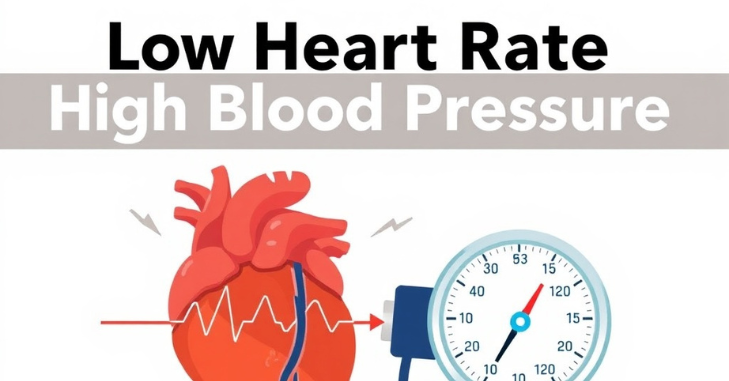
Regular physical activity generally reduces blood pressure and heart rate. Here’s how:
- Cardiovascular Fitness:
- Regular aerobic exercise strengthens the heart muscle, leading to improved efficiency and a lower resting heart rate.
- Blood Pressure Regulation:
- Exercise prompts vasodilation, improving blood flow and lowering overall blood pressure.
Recommendation for Fitness
- Gradual Increase in Activity:
- Individuals with bradycardia or hypertension should consult healthcare providers to design safe exercise plans.
- Types of Exercise:
- Aerobic exercises like walking, swimming, and cycling can be beneficial in managing both conditions.
- Monitoring:
- Regular check-ins on heart rate during exercise can help ensure safety and effectiveness.
Symptoms to Watch For
- Being aware of the symptoms associated with low heart rate and high blood pressure is crucial for early detection and intervention. Bradycardia may present symptoms such as fatigue or weakness due to insufficient blood flow. This can lead to dizziness or lightheadedness, especially when standing quickly. In severe cases, bradycardia may cause fainting, necessitating immediate medical examination.
- On the other hand, hypertension can exhibit symptoms like persistent headaches, which may signal elevated blood pressure. Individuals may also experience shortness of breath or vision disturbances when high blood pressure begins to affect the body’s systems. If any of these symptoms arise, especially in combination, it is vital to seek medical advice promptly to prevent complications and manage health more effectively.
Long-Term Considerations
Health Risks
The long-term implications of untreated low heart rate and high blood pressure can be significant. Both conditions contribute to severe health issues, such as heart disease. Prolonged hypertension increases the risk of coronary artery disease and heart failure, while the combination of these conditions elevates the risk of stroke due to blood vessel damage.
Consistent Management
To address these health concerns, consistent management is necessary. Regular monitoring of heart rate and blood pressure enables proactive intervention.
Lifestyle Modifications
Lifestyle modifications play a fundamental role in management. Key strategies include:
- Adhering to a heart-healthy diet
- Engaging in regular exercise
- Managing stress levels
Medication Compliance
Complying with prescribed medication regimens is crucial. Additionally, maintaining open communication with healthcare providers about any side effects ensures that treatment remains effective and safe.
Educational Resources
Educational resources from health organizations can provide additional support and information for individuals managing low heart rate and high blood pressure. Being knowledgeable about their conditions empowers patients to take an active role in their health.
Conclusion
Navigating the complexities of low heart rate and high blood pressure involves understanding the intricate relationships among various factors. By recognizing symptoms, exploring the effects of medications, and emphasizing the importance of fitness, individuals can take control of their health and achieve better outcomes.
Through proactive management, education, and lifestyle changes, those impacted by these conditions can enhance their quality of life and reduce the risks associated with low heart rate and high blood pressure. With careful attention, informed decision-making, and collaboration with healthcare providers, individuals can embark on a healthier journey.
Want to know about How Many Calories Do You Burn Running a Mile? All About Calories Burned Running a Mile for Beginners, For Advanced Runners, Heart Rate, Calorie Expenditure, And Much More Check out our Health category.
FAQs
High blood pressure accompanied by a low pulse often occurs as a side effect of blood pressure medications, but it may also indicate a serious injury or an undiagnosed heart condition. If symptoms such as dizziness, shortness of breath, or confusion are present, seeking medical attention is essential.
A resting heart rate below 40 bpm is generally regarded as severe bradycardia. However, a low heart rate may be asymptomatic and not necessarily harmful for certain individuals.
Alterations in essential body minerals like potassium or calcium, sleep disorders such as obstructive sleep apnea, inflammatory conditions including rheumatic fever or lupus, and certain medications—such as sedatives, opioids, and some drugs for heart or mental health—can all contribute.
Three early warning signs of heart failure are shortness of breath, persistent fatigue/weakness, and swelling (edema) in your legs, ankles, and feet, often accompanied by rapid weight gain from fluid buildup. These symptoms occur because your heart can’t pump blood effectively, causing fluid to back up and reducing oxygen delivery to your body, so it’s important to see a doctor if you notice them.