

Early finisher activities play a vital role in today’s classrooms. In nearly every Grade, some students complete their assignments faster than others. Without a structured plan, these early finishers may become bored, distracted, or disruptive. Well-designed early finisher activities turn this extra time into meaningful learning opportunities that reinforce skills, foster creativity, and promote independence.
This ultimate guide explores practical early finisher strategies for every grade level from kindergarten to high school, offering ideas that support young learners in mastering foundational skills and help older students develop critical thinking, problem-solving, and self-directed learning.
Early Finisher Activities by Grade: Types and Examples
| Grade Level | Best Activity Types | Example Activities |
| Kindergarten | Fine motor skill practice, Letter & number recognition, Creative expression, Quiet independent play | Alphabet tracing & matching, Picture drawing & coloring, Puzzle & manipulative stations, Story retelling cards, Sight word practice |
| 2nd Grade | Reading comprehension, Writing practice, Math fluency, Creative thinking | Reading response journals, Math fact games, Creative writing prompts, Word work activities, STEM challenge cards |
| Grade 3 | Reading comprehension tasks, Writing extension activities, Math problem-solving, Logic & strategy games | Reading choice boards, Daily journal writing, Math challenge problems, Vocabulary builders, and Independent research topics |
| 4th Grade | Higher-order thinking tasks, Writing & research projects, Math logic challenges, Cross-curricular activities | Opinion writing prompts, Reading analysis tasks, Math logic puzzles, Independent projects, Creative art integration |
| Grade 5 | Critical thinking challenges, Research & inquiry, Writing for different purposes, STEM & design tasks | Research & inquiry journals, Creative writing projects, Math strategy games, Debate & discussion prompts, Art & design challenges |
| Middle School | Critical thinking & analysis, Creative expression, Independent reading & Writing, Real-world problem-solving | Choice boards, Independent reading with reflection, Creative writing challenges, Logic & strategy games, Passion projects |
| High School | Critical analysis, Research & inquiry, Creative & reflective writing, Skill-building activities | Independent reading & analysis, Current events reflection, Creative projects, Skill-building tasks, Cross-curricular enrichment |
What Are Early Finisher Activities?
Early finisher activities are purposeful tasks given to students who complete their primary assignments early. Rather than serving as simple busywork, these activities are carefully structured, engaging, and aligned with learning objectives.
Practical finisher activities reinforce previously taught skills, encourage independent learning, promote creativity and problem-solving, reduce classroom disruptions, and support differentiated instruction. The best independent Learning Activities are easy for students to access, require minimal teacher preparation, and are flexible enough to accommodate different ability levels in the classroom.
Why Early Finisher Activities Matter?
Independent learning activities benefit both students and teachers. For students, they provide enrichment without pressure. For teachers, they help maintain classroom flow and allow more time to support struggling learners.
Key benefits include:
- Increased student engagement
- Better classroom management
- Skill reinforcement without repetition
- Development of self-directed learning habits
- Encouragement of curiosity and creativity
Early Finisher Activities for Kindergarten
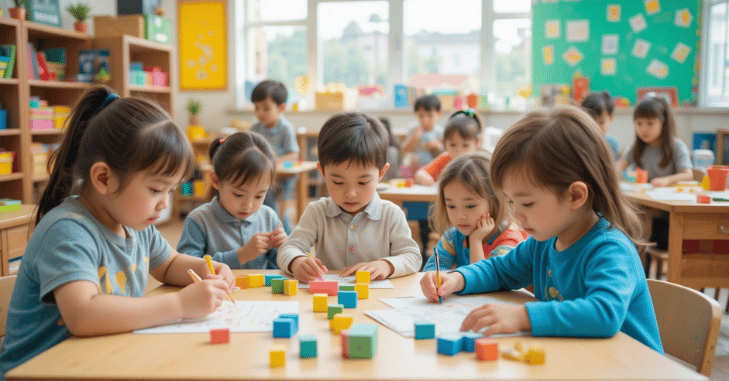
Kindergarten students need activities that are simple, visual, and hands-on. At this age, attention spans are short, and learning should feel like play.
Best Activity Types for Kindergarten
The best early finisher activity types for kindergarten focus on building foundational skills in a fun and developmentally appropriate way. Fine motor skill practice helps strengthen hand control and coordination. Letter and number recognition supports early reading and math skills.
Creative expression allows children to explore ideas through drawing and other forms of art. Quiet, independent play encourages focus, confidence, and positive classroom behavior.
Activity Ideas
- Alphabet Tracing and Matching
Students trace letters, match uppercase and lowercase, or find beginning sounds. - Picture Drawing and Coloring
Provide themed coloring pages or drawing prompts such as “Draw your favorite animal.” - Puzzle and Manipulative Stations
Simple puzzles, counting cubes, or shape sorters work well. - Story Retelling Cards
Students sequence pictures from a familiar story. - Sight Word Practice
Flashcards, mini-books, or word hunts around the classroom.
Kindergarten independent learning activities should be quiet, calm, and accessible without adult help.
Early Finisher Activities for 2nd Grade
Second-grade students are developing stronger reading, Writing, and math skills. Early finisher activities should reinforce core subjects while encouraging independence.
Best Activity Types for 2nd Grade
The best early finisher activity types for 2nd grade focus on strengthening core academic skills while encouraging independence. Reading comprehension activities help students understand and reflect on what they read. Writing practice builds sentence structure, spelling, and expression.
Math fluency tasks reinforce basic operations and problem-solving speed. Creative thinking activities allow students to explore ideas, imagination, and higher-level thinking in engaging ways.
Activity Ideas
- Reading Response Journals
Students write or draw about a book they are reading. - Math Fact Games
Flashcards, number puzzles, or logic challenges. - Creative Writing Prompts
Short prompts such as “Write about your favorite day.” - Word Work Activities
Crossword puzzles, word searches, or spelling practice. - STEM Challenge Cards
Simple building or problem-solving challenges using classroom materials.
These activities help second graders stay engaged without overwhelming them.
Early Finisher Activities for Grade 3
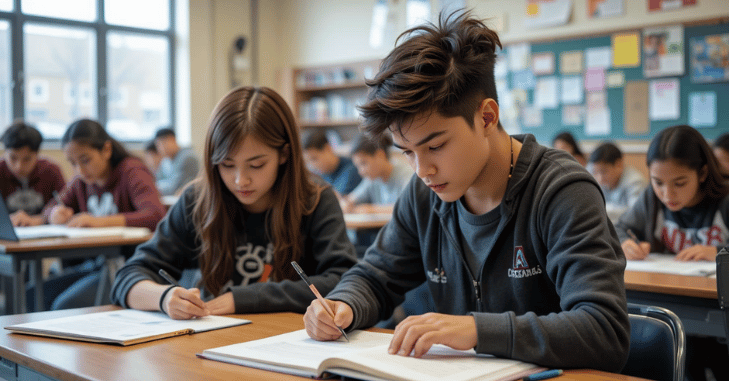
Third Grade is a transition year where students begin applying skills more independently. Early finisher tasks should encourage critical thinking and creativity.
Best Activity Types for Grade 3
The best early finisher activity types for Grade 3 focus on building a deeper understanding and fostering independent thinking. Reading comprehension tasks help students analyze texts and improve their knowledge.
Writing extension activities encourage students to expand ideas and strengthen communication skills. Math problem-solving activities develop reasoning and multi-step thinking. Logic and strategy games challenge students to think critically while keeping learning engaging and enjoyable.
Activity Ideas
- Reading Choice Boards
Students choose from activities like summarizing, illustrating, or questioning a text. - Daily Journal Writing
Prompts focused on opinions, experiences, or imagination. - Math Challenge Problems
Multi-step word problems or puzzles. - Vocabulary Builders
Create sentences, synonyms, or word maps. - Independent Research Topics
Short research on animals, places, or historical figures.
Third-grade independent learning activities should stretch thinking while remaining achievable.
Early Finisher Activities for 4th Grade
Fourth graders are ready for more structured enrichment and deeper thinking. Activities should challenge them without feeling like extra homework.
Best Activity Types for 4th Grade
The best early finisher activity types for 4th Grade are designed to challenge students and promote deeper learning. Higher-order thinking tasks encourage analysis, reasoning, and reflection. Writing and research projects help students develop organization, inquiry, and communication skills.
Math logic challenges strengthen problem-solving and critical thinking. Cross-curricular activities connect subjects and help students apply knowledge in meaningful ways.
Activity Ideas
- Opinion Writing Prompts
Students defend an idea with reasons and examples. - Reading Analysis Tasks
Character analysis, theme identification, or alternative endings. - Math Logic Puzzles
Brain teasers, number riddles, and strategy games. - Independent Projects
Short-term projects, such as creating a poster or mini-presentation. - Creative Art Integration
Illustrating stories, designing book covers, or visual storytelling.
These activities keep fourth graders engaged and intellectually stimulated.
Early Finisher Activities for Grade 5

Grade 5 students benefit from enrichment-based activities that promote independence, creativity, and problem-solving.
Best Activity Types for Grade 5
The best early finisher activity types for Grade 5 focus on preparing students for more advanced learning and independence. Critical thinking challenges help students analyze problems and justify their reasoning. Research and inquiry activities encourage curiosity and information literacy.
Writing for different purposes strengthens communication skills across subjects. STEM and design tasks promote creativity, innovation, and hands-on problem-solving.
Activity Ideas
- Research and Inquiry Journals
Students explore questions of interest and record findings. - Creative Writing Projects
Short stories, poems, or personal narratives. - Math Strategy Games
Logic puzzles, fractions challenges, or real-world math scenarios. - Debate and Discussion Prompts
Students prepare arguments for age-appropriate topics. - Art and Design Challenges
Create visual representations of concepts or design solutions to problems.
Grade 5 independent learning activities should encourage leadership and independent learning.
Early Finisher Activities for Middle School
Middle school students need activities that respect their growing maturity while keeping them productively engaged.
Best Activity Types for Middle School
The best early finisher activity types for middle school focus on fostering independence, creativity, and higher-level thinking. Critical thinking and analysis activities help students evaluate information and form reasoned conclusions. Creative expression allows them to explore ideas through art, Writing, or multimedia projects.
Independent reading and writing develop comprehension, reflection, and communication skills. Real-world problem-solving tasks encourage practical application of knowledge and decision-making.
Activity Ideas
- Choice Boards
Offer options across reading, Writing, art, and STEM. - Independent Reading with Reflection
Book logs, summaries, or discussion questions. - Creative Writing Challenges
Short stories, poetry, or journaling. - Logic and Strategy Games
Chess puzzles, coding challenges, or math riddles. - Passion Projects
Students explore personal interests in structured mini-projects.
Middle school independent learning activities should promote autonomy and self-motivation.
Early Finisher Activities for High School
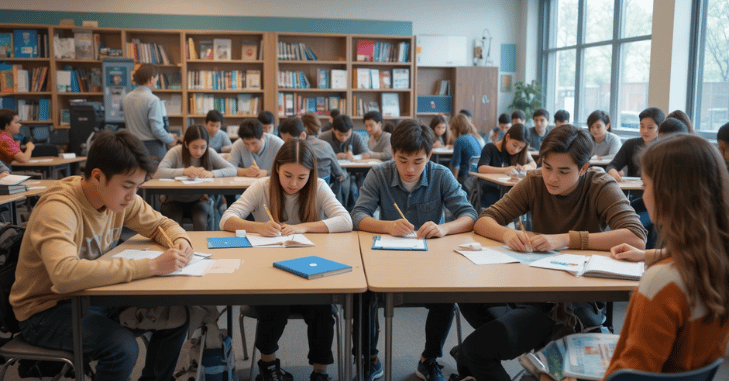
High school students require purposeful and intellectually engaging tasks that connect to real-world skills.
Best Activity Types for High School
The best early finisher activity types for high school are designed to promote advanced thinking, independence, and real-world skills. Critical analysis activities help students evaluate information, form arguments, and conclude. Research and inquiry tasks encourage in-depth exploration of topics and evidence-based learning.
Creative and reflective Writing allows students to express ideas, analyze experiences, and develop their voice. Skill-building activities strengthen practical abilities, study habits, and preparation for future academic or career goals.
Activity Ideas
- Independent Reading and Analysis
Literary analysis, annotations, or response essays. - Current Events Reflection
Short written responses to news articles or global issues. - Creative Projects
Art, multimedia presentations, or design challenges. - Skill-Building Tasks
Resume writing, goal setting, or study skill development. - Cross-Curricular Enrichment
Projects combining history, science, math, and language arts.
High school early finisher activities should prepare students for college, careers, and lifelong learning.
Tips for Implementing Early Finisher Activities Successfully

To ensure independent learning activities work effectively across all grade levels, consider these best practices:
- Create a consistent system so students know what to do
- Use activity bins, folders, or digital platforms
- Offer choices to increase motivation
- Rotate activities regularly
- Avoid grading early finisher work heavily
- Ensure activities are accessible and independent
Clear expectations are key to success.
Final Thoughts
Early finisher activities are an essential tool for keeping students engaged, motivated, and productive at every grade level. From playful, hands-on tasks in kindergarten to independent, real-world projects in high school, these activities transform extra time into meaningful learning opportunities.
By providing structured, accessible, and varied options, teachers can reinforce skills, encourage creativity, and foster independence without adding stress. When thoughtfully implemented, independent learning activities ensure that no student’s time is wasted, turning “done early” into a chance for growth, curiosity, and confidence.
Want to know about Things to Do in Class When You’re Bored: Ultimate Guide to Fun Time-Pass Ideas, Games, Party Activities, and Ways to Enjoy Class with Friends Even While Stuck with Papers Check out our Education category.
FAQs
Students can use early finisher time to read a book, ask questions privately, start homework with guidance, suggest books for the classroom board, write a quick journal entry about what they learned, or create a short story.
Many K–12 educators invite early finishers to read a choice novel, organize their backpacks, study for a test, or catch up on homework, as these activities boost academic skills.
When I was a student, I always finished early, and I valued it when my professors allowed me to select an activity (as long as it was reasonable). However, I frequently had coloring sheets, books, mazes, logic puzzles, or Sudoku.
Five different hobbies that address relaxation, physical health, social connection, and creative/practical abilities for well-being include reading a book, taking a stroll, cooking, playing sports like tennis, and spending time with friends or family.