


Ring cuts define not just the shape of a gemstone but also its personality, elegance, and how it interacts with light. Each cut brings a distinct character to the ring: round cuts dazzle with unmatched brilliance, while princess cuts exude modern sophistication with crisp, square facets.
Emerald and Asscher cuts offer a vintage allure, emphasizing clarity and long lines over sparkle, appealing to those who prefer understated elegance. Shapes such as oval, marquise, and pear add drama and can visually elongate the fingers, creating a flattering effect. The cut also practically impacts delicate points on marquise or pear cuts.
Beyond aesthetics and function, the choice of cut affects the ring’s value, as well-executed cuts enhance light performance and overall appeal. Ultimately, exploring different ring cuts allows one to blend artistry, personal style, and practicality, ensuring every ring reflects individuality and taste.
| Ring Cut | Shape | Brilliance | Pros | Cons | Ideal Settings |
| Round | Circular, symmetrical | Highest | Maximum sparkle, versatile | Usually more expensive per carat | Solitaire, halo, three-stone |
| Princess | Square or slightly rectangular | Very high | Modern, sleek, sparkly | Corners can chip without protective prongs | Solitaire, halo, bezel |
| Emerald | Rectangular, step-cut | Moderate | Elegant, highlights clarity and color | Less sparkle than round | Solitaire, vintage, halo |
| Oval | Elliptical | High | Finger-lengthening appears larger per carat | Can reveal inclusions due to the elongated shape | Solitaire, halo |
| Cushion | Square/rectangular with rounded corners | Good | Romantic, soft sparkle | Slightly less sparkle than round/princess | Halo, solitaire, vintage |
| Marquise | Elongated oval with pointed ends | High | Appears larger, unique shape | Prone to chipping at points | Bezel, halo, solitaire |
| Pear | Teardrop | Very high | Elongates fingers, versatile for rings & pendants | The pointed tip is delicate | Bezel, halo, solitaire |
| Asscher | Square with cropped corners | Moderate | Elegant, vintage, unique light reflections | Less sparkle than round | Solitaire, vintage, halo |
| Heart | Heart-shaped | Good (depends on symmetry) | Romantic, highly expressive | Requires precision for symmetry | Solitaire, halo, pendant |
Different Ring Cuts
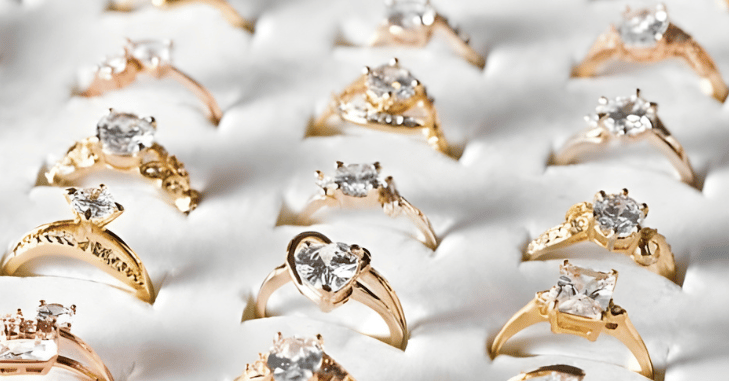
Different ring cuts offer a variety of shapes, styles, and aesthetic appeals, each designed to enhance the gemstone’s brilliance, personality, and suitability for the wearer. Classic cuts like round brilliant are the most popular, offering maximum sparkle due to their precise facets that reflect light from every angle.
Princess cuts provide a modern, angular elegance with sharp lines, making them ideal for contemporary tastes. For a vintage or sophisticated feel, cuts such as emerald, Asscher, or cushion exude timeless charm with their step-cut facets and understated sparkle.
More unique shapes, like oval, marquise, pear, and heart, not only highlight individuality but also influence how fingers appear, elongating or slimming them depending on the shape. The choice of cut also affects durability; pointed designs like marquise or pear cuts require secure settings to prevent chipping, while sturdier cuts like round or cushion are more resilient.
What is a Ring Cut?
A ring cut refers to the shape and facets of a gemstone. It is often confused with carat weight, clarity, or color, but the cut is what determines:
- Brilliance: How well the stone reflects light
- Fire: The flashes of color it produces
- Symmetry & Balance: How pleasing it looks to the eye
- Choosing the right cut enhances both the beauty and value of the gemstone.
Why Ring Cuts Matter?
The cut of a gemstone plays a crucial role in defining its overall appeal and functionality. A well-executed cut maximizes light reflection, enhancing the stone’s brilliance and sparkle, while poorly cut stones can appear dull even if the gem itself is high quality.
Certain cuts, such as marquise or pear shapes, have delicate points that make them more prone to chipping, affecting durability and requiring careful handling or protective settings. Additionally, the cut can influence the aesthetics of the wearer’s hand.
Some shapes elongate the fingers or complement specific hand proportions, enhancing the ring’s visual harmony. Beyond beauty and practicality, a precise, high-quality cut can also elevate the gemstone’s market value, making it a key factor in both style and investment considerations.
Popular Types of Ring Cuts
There are several ring cuts, each with its own unique charm, advantages, and style appeal, making the choice of a ring highly personal and reflective of one’s taste. Each cut influences the overall sparkle, shape, and visual impact of the ring, and how it complements finger shape and hand proportions.
Round Cut

- Shape: Circular, symmetrical
- Brilliance: Highest, due to 58 facets
- Ideal For: Classic, timeless rings
- Pros: Maximum sparkle, versatile in all settings
- Cons: Usually more expensive for the same carat
Princess Cut

- Shape: Square or slightly rectangular
- Brilliance: Very high, second only to round
- Ideal For: Modern, sleek designs
- Pros: Sparkles brilliantly, contemporary appeal
- Cons: Corners can chip without protective prongs
Emerald Cut

- Shape: Rectangular with step-cut facets
- Brilliance: Moderate; highlights clarity and color
- Ideal For: Elegant, vintage-inspired rings
- Pros: Sophisticated, elongated look
- Cons: Less sparkling than round cuts
Oval Cut

- Shape: Elliptical
- Brilliance: High, like a round cut
- Ideal For: Finger-lengthening effect
- Pros: Visually larger appearance per carat, flattering shape
- Cons: A long shape can reveal inclusions
Cushion Cut
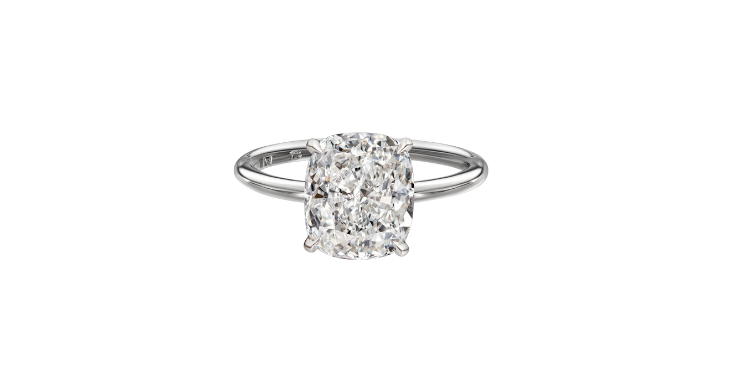
- Shape: Square or rectangular with rounded corners
- Brilliance: Good, soft sparkle
- Ideal For: Romantic and vintage rings
- Pros: Soft, pillow-like charm
- Cons: Slightly less sparkle than round or princess cuts
Marquise Cut

- Shape: Elongated oval with pointed ends
- Brilliance: High
- Ideal For: Statement rings, finger-lengthening effect
- Pros: Appears larger, unique shape
- Cons: Prone to chipping at points
Pear Cut

- Shape: Teardrop-shaped
- Brilliance: Very high
- Ideal For: Unique, artistic rings
- Pros: Elongates fingers, versatile in pendants and rings
- Cons: The pointed tip is delicate
Asscher Cut
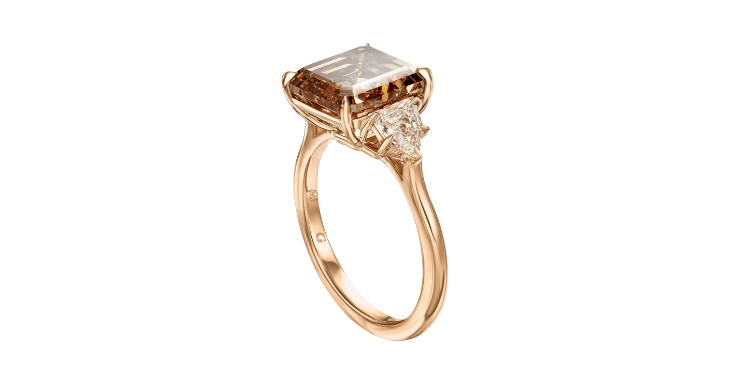
- Shape: Square with cropped corners (step-cut)
- Brilliance: Moderate, focuses on clarity
- Ideal For: Vintage or Art Deco-inspired rings
- Pros: Elegant, distinctive, reflective of light in unique patterns
- Cons: Less sparkle compared to round cuts
Heart Cut
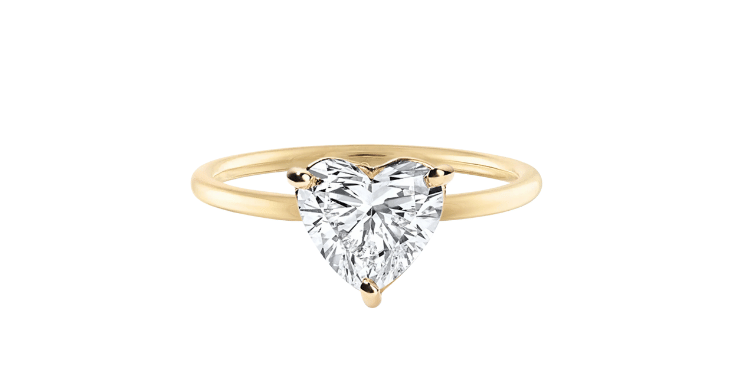
- Shape: Heart-shaped
- Brilliance: Good, depends on symmetry
- Ideal For: Romantic and symbolic rings
- Pros: Highly expressive, unique
- Cons: Requires precision for balance and symmetry
Factors to Consider When Choosing a Ring Cut
When choosing the perfect ring cut, several factors should be considered. Finger shape plays an important role, as long fingers are particularly flattering with oval, pear, or marquise cuts. Sparkle preference is another key consideration, with round and princess cuts reflecting the most light for maximum brilliance.
Style preference also matters, whether you lean toward modern designs like round and princess cuts or vintage-inspired choices such as emerald, cushion, or Asscher cuts. Finally, the budget can influence your decision, as more intricate cuts often cost more due to the complexity of the craftsmanship.
Tips for Selecting the Perfect Ring Cut
- Match the personality: Bold vs. classic
- Consider your lifestyle: Durable cuts for active lifestyles
- Check the symmetry: Especially for heart, pear, and marquise cuts
- Visualize the setting: Halo, solitaire, or vintage settings enhance different cuts
Conclusion
In conclusion, different ring cuts are about more than just choosing a shape; they are a blend of artistry, personal style, and practicality. Each cut brings its own personality, from the timeless brilliance of a round cut to the vintage elegance of an emerald or Asscher, or the dramatic flair of marquise, pear, and oval shapes.
By understanding the characteristics, advantages, and considerations of each ring cut, buyers can choose a design that reflects their individuality, complements their hand, and ensures their ring remains a cherished piece for years to come. Ultimately, the perfect cut balances elegance, functionality, and personal expression, turning every ring into a unique statement of style and sophistication.
Want to know about Inside the Victoria Secret Fashion Show 2017: Shanghai’s Dazzling Night of Angels, Art, and Fashion Power Check out our Fashion category.
FAQs
A ring cut refers to how a gemstone is shaped and faceted, determining its brilliance, sparkle, and overall visual appeal.
Different cuts affect light reflection, durability, finger aesthetics, and even the gemstone’s value, making them key to both style and functionality.
Round and princess cuts provide the highest brilliance, reflecting the most light and creating maximum sparkle.
Oval, marquise, and pear cuts visually lengthen fingers, offering a flattering effect for hand proportions.
Yes, cuts with pointed tips, like marquise and pear, are prone to chipping and require secure settings for protection.
Consider your finger shape, sparkle preference, lifestyle, and whether you prefer modern (round/princess) or vintage (emerald/Asscher/cushion) designs.