
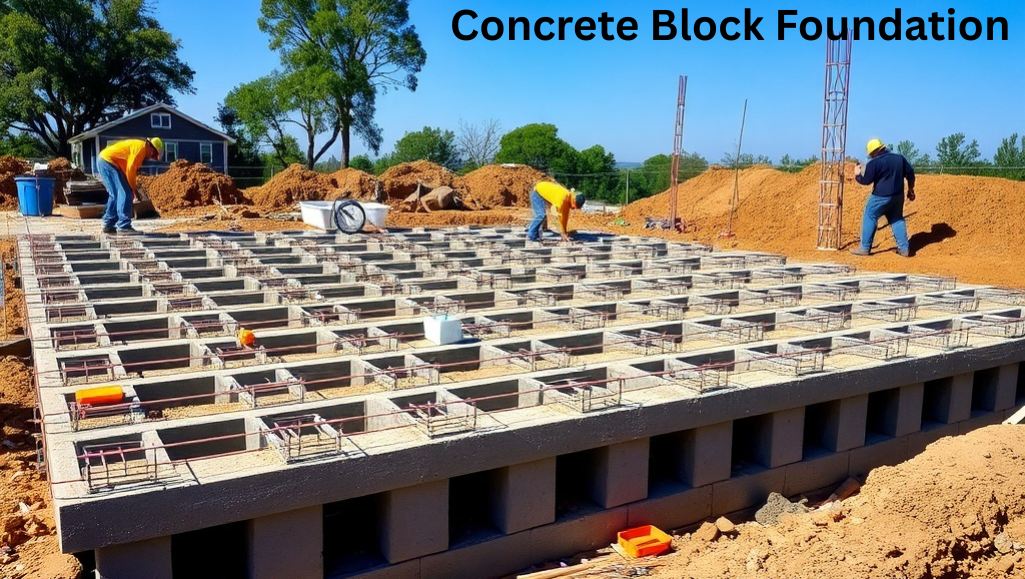
A Concrete Block Foundation is a durable and versatile structural base commonly used in both residential and commercial construction. Made from stacked concrete masonry units, these foundations provide stability, longevity, and resistance to pests and environmental conditions.
Concrete block foundations can be adapted for full basements, crawl spaces, or slab-on-grade systems, making them suitable for a wide range of applications. Proper construction involves site preparation, footings, block laying with mortar, and reinforcement with steel rebar.
While they offer excellent insulation, cost-effectiveness, and quick construction, moisture management and occasional reinforcement are necessary to ensure long-term performance. Overall, a Concrete Block Foundation offers a reliable and sturdy solution for building strong, lasting structures.
| Aspect | Details |
| Concrete Block Foundation | Stacked concrete blocks |
| Construction Steps | Excavation, footings, laying |
| Types | Basement, Crawl, Slab |
| Advantages | Durable, insulated, cost-effective |
| Disadvantages | Moisture, weak tensile |
| Maintenance | Inspect, repair, drain |
| Applications | Homes, commercial buildings |
Concrete Block Foundation
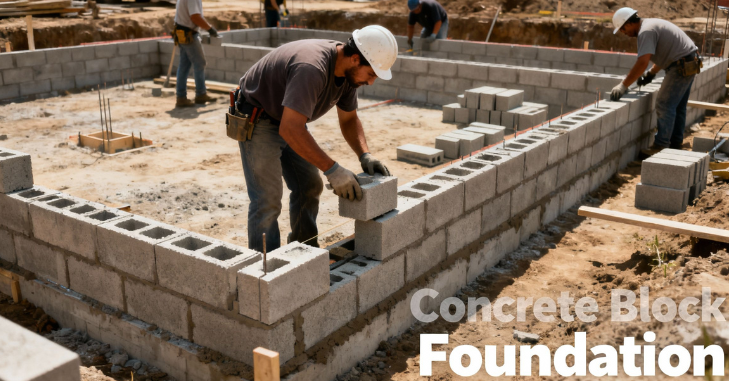
A concrete block foundation is a versatile and durable structural base made from stacked concrete masonry units, often called concrete blocks. This method involves site preparation, including excavation and laying concrete footings, upon which the blocks are arranged in a staggered pattern for stability, typically secured with mortar and reinforced with steel rebar.
Concrete block foundations can be designed for various applications, including full basements, crawl spaces, and slab-on-grade systems, making them suitable for diverse environments. Their advantages include excellent durability, pest resistance, and cost-effectiveness, as well as good insulation properties due to the thermal mass of the concrete.
However, they do require considerations for moisture management and may need additional reinforcement in specific conditions. Overall, concrete block foundations provide a solid base for residential and commercial structures alike.
How is a Concrete Block Foundation constructed?
The construction of a concrete block foundation begins with site preparation, which involves clearing the site of vegetation and debris and excavating to the appropriate depth. Soil testing is crucial to determine the load-bearing capacity and drainage capabilities of the ground. After excavation, footings—typically made of poured concrete—are laid to serve as a stable base for the concrete blocks.
Once the footing is set, the actual laying of the foundation starts with corner blocks, which act as a guide. The blocks are then stacked in a staggered pattern, using mortar to bond them securely. Special attention is given to any openings for doors or windows, with framing incorporated into the design.
Reinforcement is essential for the integrity of the foundation; this involves inserting rebar into the blocks both vertically and horizontally, often filling block cores with concrete or grout.
Finally, curing is a critical step in the construction process, where moisture is retained around the blocks to allow the concrete to gain strength. This process typically lasts from 7 to 14 days, depending on environmental conditions.
Types of Concrete Basement Foundations
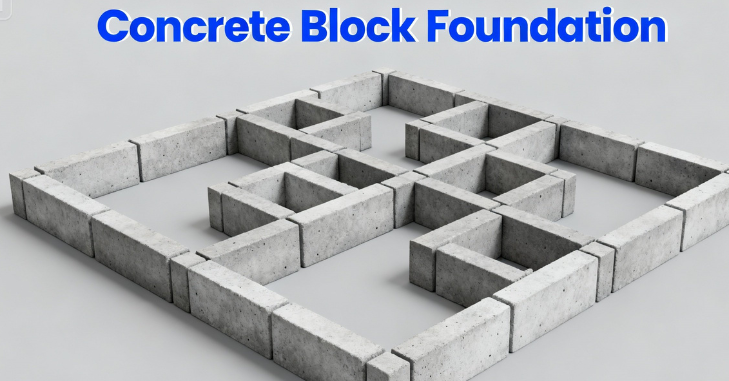
Full Basement Foundations
Full basement foundations extend below ground level and provide additional living or storage space. Homeowners often use basements to house mechanical systems, utility rooms, or recreational areas.
Crawl Space Foundations
Crawl space foundations are shallower and typically measure between 2 to 4 feet in height. They allow for ventilation and provide easy access to plumbing and electrical systems, making maintenance more convenient.
Slab-on-Grade Foundations
Slab-on-grade foundations consist of a solid concrete slab poured directly on the ground. These foundations are commonly used in warmer climates where frost depth is minimal, and basements are not required.
Advantages of Concrete Block Foundations
Concrete block foundations offer numerous advantages, making them a favored choice for builders:
Durability
Concrete blocks are durable and can withstand a variety of environmental conditions:
- Resistance to Weather: They hold up well against rain, wind, and extreme temperatures.
- Longevity: Properly constructed and maintained block foundations can last for decades.
Insulation Properties

Concrete block foundations can provide good insulation when properly constructed:
- Thermal Mass: The thermal mass of concrete helps to regulate indoor temperatures, reducing energy costs.
- Insulation Options: Insulated concrete blocks are available, providing enhanced heat retention.
Cost-Effectiveness
Concrete block foundations are generally more affordable than alternatives like poured concrete or stone:
- Material Costs: Concrete blocks are usually cheaper and easier to handle.
- Labor Costs: The ease of handling blocks can reduce labor expenses, as fewer skilled workers are needed for installation.
Pest Resistance
Concrete blocks are resistant to certain pests that commonly damage wood foundations:
- Termite Resistance: Since they do not provide a food source, concrete blocks protect against termites and other wood-boring insects.
Construction Speed
Concrete block foundations can be constructed relatively quickly compared to other types:
- Easier Handling: Blocks are lighter and more manageable than poured concrete, facilitating a faster build.
Disadvantages of Concrete Block Foundations
Despite their many benefits, concrete block foundations also come with challenges. One significant concern is moisture accumulation, which can lead to mold growth if not properly managed. Implementing waterproofing measures is essential to avoid this issue.
Additionally, concrete blocks have less tensile strength compared to some other foundation types, potentially requiring extra reinforcement in seismic zones or areas prone to heavy winds.
Maintenance of Concrete Block Foundations

To ensure longevity, maintenance is essential:
- Inspect Regularly: Periodically check for cracks, moisture issues, and pest infestations.
- Repair as Needed: Promptly address any signs of damage to prevent further complications.
- Proper Drainage: Maintain drainage systems to keep water away from the foundation.
Conclusion
In summary, concrete block foundations are an integral aspect of modern construction, providing a robust and economical solution for a variety of building applications. Their construction process, types, and numerous advantages make them a preferred choice for many projects, despite some associated challenges.
With proper construction practices and ongoing maintenance, concrete block foundations can deliver lasting support and stability for countless structures, solidifying their place in the construction landscape.
Want to know about Home Generator Installation: All About Why You Need a Home Generator, Types of Home Generators, Factors to Consider Before Installation, And Much More Check out our Home Improvement category.
FAQs
You can’t just lump all cinder block foundations into a good or bad category. When done properly, cinder blocks have rebar and concrete put through them and are quite good. They just need to be inspected to see if they were installed correctly. They will last 100+ years without issue if done right.
The common rectangular concrete blocks available at most suppliers are known as standard blocks. They provide durable performance for structural applications and are ideal for building strong lower-level walls and foundations
Construction costs can vary by location, but typically, poured concrete walls are about 20% cheaper than block foundation walls.
Under the right conditions, concrete building blocks can last 100 years or more, making them an extremely durable material. In fact, concrete structures from the Roman Empire still exist today, showcasing its remarkable longevity.